FastLock Ransomware
Safeguarding devices against malware is more vital than ever. Cybercriminals are constantly refining their methods to exploit unsuspecting users, and ransomware remains one of the most devastating forms of attack. One of the latest additions to this category is FastLock Ransomware — a sophisticated threat designed to encrypt victims' data and extort money in exchange for decryption.
Table of Contents
How FastLock Ransomware Operates
FastLock functions as a file-encrypting malware that renders valuable data inaccessible to its victims. Once it infiltrates a system, it targets a wide range of file types — including documents, images, archives, and databases — and encrypts them using a robust encryption algorithm. During the process, it appends the '.FAST' extension to each locked file. For example, 'photo.jpg' becomes 'photo.jpg.FAST', and 'report.pdf' changes to 'report.pdf.FAST.'
After encryption, FastLock generates a ransom note titled 'Fast-Instructions.txt.' The note informs victims that their files have been compromised and demands a payment of $2,300 in Bitcoin for restoration. It includes a Bitcoin wallet address and instructs victims to contact the attackers via 'fastsupport@protonmail.com.' Additionally, it provides a unique 'Decrypted ID' meant to identify the victim during communications.
The Ransom Payment Dilemma
While the note claims that paying will result in file recovery, there is no assurance that the cybercriminals will keep their promise. Many victims who comply with ransom demands never receive working decryption tools. Moreover, paying the ransom only encourages and funds further criminal activity.
The only reliable method of data restoration without cooperating with the attackers is through secure, unaffected backups. Users who maintain regular, offline backups are in a far better position to recover from ransomware incidents.
How FastLock Reaches Its Victims
FastLock ransomware is distributed through multiple infection vectors, some of which are common in ransomware campaigns:
- Phishing emails containing infected attachments or links disguised as legitimate files.
- Malicious advertisements, drive-by downloads, and compromised websites that trigger automatic malware downloads.
- Pirated or cracked software, P2P (peer-to-peer) file-sharing platforms, and unofficial downloaders, which often bundle harmful code.
- Infected USB drives or removable media used to spread the malware across networks.
Attackers may also exploit unpatched software vulnerabilities to infiltrate systems stealthily, highlighting the importance of consistent software maintenance and updates.
Removing FastLock and Securing the System
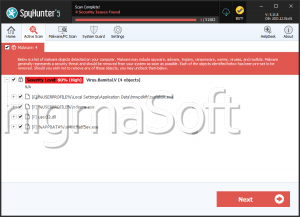
Once FastLock is detected, the primary objective should be eliminating the ransomware from the infected device. Removal prevents additional encryption and stops the threat from propagating to other connected systems or storage drives.
Users should employ reputable anti-malware tools to scan and clean their systems thoroughly. Manual removal is generally discouraged unless performed by trained professionals, as tampering with infected files or processes may cause further damage.
Strengthening Defenses Against Ransomware Attacks
Protecting against threats like FastLock requires a proactive and layered approach. Implementing sound cybersecurity practices can drastically reduce the risk of ransomware infections.
Essential Security Practices for Ransomware Prevention:
Maintain regular backups: Store backups on offline or cloud locations that are isolated from your primary system.
Keep software updated: Apply operating system and application updates promptly to patch known vulnerabilities.
Use strong, unique passwords: Combine complex characters and enable multi-factor authentication wherever possible.
Install reliable security tools: Use reputable antivirus and anti-malware software that provides real-time protection.
Be cautious with emails: Avoid opening unexpected attachments or clicking on suspicious links.
Stay alert when browsing: Do not interact with pop-up messages, pirated content, or 'too good to be true' online offers.
Conclusion: Vigilance Is the Best Defense
FastLock Ransomware serves as a stark reminder of the persistent threat posed by modern cybercriminals. Its ability to encrypt personal and business-critical data within seconds makes it a severe danger to unprotected systems. Users should focus on prevention, backup maintenance, and system hygiene to stay resilient against ransomware attacks. In the cybersecurity landscape, preparedness and caution are the most effective shields against data loss and extortion.