'We Updated Our Policy' Email Scam
The "We Updated Our Policy" email scam is a prevalent form of phishing and social engineering attack that tricks recipients into believing that their email account or other online services will be deactivated unless they accept the new terms of service. This tactic exploits the users' fear of losing access to important accounts, prompting them to take immediate action. Understanding the mechanics, symptoms, distribution methods, and potential damages associated with this tactic is crucial for protecting oneself against such fraudulent activities.
Table of Contents
Anatomy of the Tactic
The Fake Claim
The central claim in this tactic is that the recipients' email accounts will be deactivated unless they accept the new terms of service. The email is designed to look legitimate, often mimicking the format, branding, and language of genuine service providers. The message usually includes a sense of urgency, pressuring the recipient to act quickly to avoid losing access.
Symptoms
Victims of this tactic may experience various symptoms, including:
- Unauthorized Online Purchases: Fraudsters may use collected credentials to make purchases online.
- Changed Online Account Passwords: Attackers may change the passwords to lock out the original user.
- Identity Theft: Personal information can be used to impersonate the victim.
- Illegal Access to the Computer: Malware may be installed, granting scammers remote access to the victim's device.
Distribution Methods
Phishing tactics like the "We Updated Our Policy" email can be distributed through various deceptive methods:
- Deceptive Emails: These emails are crafted to appear as if they are from a legitimate source, often including logos, signatures, and language that mimic genuine communications from service providers.
- Rogue Online Pop-up Advertisements: Fraudulent advertisements can appear on compromised websites or through ad networks, leading users to phishing sites.
- Search Engine Poisoning Techniques: Fraudsters manipulate search engine results to lead users to fraudulent websites that look like legitimate login pages.
- Misspelled Domains: Slightly altered domain names (e.g., g00gle.com instead of google.com) trick users into thinking they are on a legitimate site.
The Damage that may be Caused by the Tactic
The repercussions of falling victim to the "We Updated Our Policy" email scam can be severe:
- Loss of Sensitive Private Information: Personal data, such as addresses, phone numbers, and social security numbers, can be misappropriated.
- Monetary Loss: Fraudsters can make unauthorized purchases or withdraw funds from bank accounts.
- Identity Theft: Personal information can be used to open new credit accounts or commit other forms of fraud.
- Compromised Computer Security: Malware can be installed, leading to further security breaches and data loss.
Preventing and Responding to the Tactic
Prevention Tips
- Verify the Source: Always check the sender's email address and domain. Legitimate companies will use their official domains.
- Look for Red Flags: Poor grammar, spelling mistakes, and urgent language are common indicators of phishing tactics.
- Avoid Clicking Links: Hover over links to see the actual URL before clicking. If unsure, visit the website directly by typing the address into your browser.
- Enable Two-Factor Authentication (2FA): This appends an extra layer of security, making it a chalenge for fraudsters to gain access.
- Keep Software Updated: Regularly upgrade your operating system, browser, and security software to be protected against vulnerabilities.
Responding to the Scheme
If you suspect you have fallen victim to the "We Updated Our Policy" email scam, take the following steps immediately:
- Change Your Passwords: Update passwords for all potentially compromised accounts, especially email and banking accounts.
- Contact Service Providers: Notify your email provider and any other affected services about the potential breach.
- Check Financial Statements: Regularly check your bank and credit card statements for unauthorized transactions.
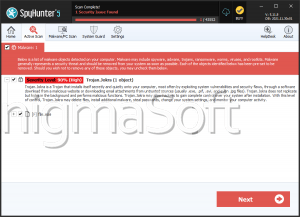
- Run a Malware Scan: Use reputable anti-malware software to scan and remove any malware that may have been installed.
- Report the Tactic: Contact your local authorities and report the tactic to relevant cybercrime units or organizations.
Malware Removal
In the unfortunate event that malware has been established on your device, follow these steps to eliminate it:
- Disconnect from the Internet: This prevents the malware from communicating with remote servers.
- Log Safe Mode: Boot your computer in safe mode to limit the malware's operating ability.
- Use Anti-Malware Tools: Run a full scan with trusted anti-malware software to detect and remove unsafe software.
- Restore from Backup: If possible, restore your system to a state before the infection occurred using a clean backup.
- Reinstall Operating System: As a last resort, execute a clean installation of your operating system to make sure all malware is removed.
The "We Updated Our Policy" email scam is a sophisticated attack that leverages social engineering tactics to deceive users into revealing sensitive information. By understanding the mechanics of the tactic, realizing the symptoms, and taking pertinent measures to prevent and respond to such attacks, individuals can protect themselves from the potentially devastating consequences of phishing tactics. Always stay vigilant, verify sources, and prioritize cybersecurity to safeguard your digital life.