PrimaryLauncher
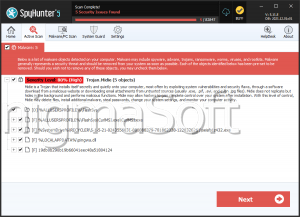
PrimaryLauncher has been identified as an adware-type application through a routine examination of potentially dubious apps conducted by researchers. This application, categorized as adware, is implicated in running intrusive advertisement campaigns and may possess additional detrimental functionalities.
An in-depth analysis by experts has affirmed that PrimaryLauncher is predominantly directed at users of the Mac operating system. Furthermore, it has been linked to the AdLoad malware family, signifying a connection to a broader category of potentially unsafe software. The discovery underscores the importance of ongoing scrutiny and vigilance in the face of emerging threats, particularly for users within the Mac ecosystem.
PrimaryLauncher Could Cause Serious Privacy Concerns
Adware is a type of application that presents advertisements across various interfaces. It's worth noting that the display of intrusive ad campaigns by adware like PrimaryLauncher may depend on factors such as browser/system compatibility, visited websites, and other specific conditions. Even in the absence of overt ad displays, the presence of PrimaryLauncher on a system poses a potential threat to both device and user safety.
The advertisements generated by adware are notorious for promoting online tactics, unreliable software and potential malware. Clicking on these advertisements can trigger the execution of scripts, leading to stealthy downloads or installations of harmful content. It's important to recognize that any seemingly genuine content encountered through these advertisements is often endorsed by scammers leveraging affiliate programs to gain illegitimate commissions.
One of the concerning aspects of advertising-supported software is its tendency to collect private information, a behavior that may also be associated with PrimaryLauncher. This gathered data can include visited URLs, viewed pages, search queries, Internet cookies, login credentials, credit card numbers and more. The information collected is often monetized through sales to third parties, highlighting the potential risks to user privacy and security. As such, understanding and mitigating the threats posed by adware is crucial for maintaining a secure digital environment.
Adware Applications May Attempt to Sneak Their Installation via Questionable Distribution Techniques
Adware applications often employ various questionable distribution techniques to install themselves on users' devices sneakily. Some common tactics include:
- Bundled Software Installations:
Adware may be bundled with seemingly legitimate software during the installation process. Users in a rush to install a desired application might overlook or not notice the additional adware being included in the package.
- Deceptive Advertising:
Adware creators may resort to deceptive advertising to lure users into downloading their applications. This can involve misleading pop-ups, banners, or other online ads claiming to offer useful software or updates. Unsuspecting users who click on these ads may inadvertently trigger the download of adware.
- Fake System Updates:
Adware developers may mimic system update prompts or notifications, tricking users into believing they need to update their software or security settings. When users initiate these fake updates, the adware can be clandestinely installed alongside the purported update.
- Unsafe Websites and Links:
Adware may be distributed through fraud-related websites or links. Users might be redirected to these sites through phishing emails, deceptive online advertisements, or compromised Web pages. Once on these sites, users may be prompted to download something that appears to be a legitimate application but is, in fact, adware.
- Social Engineering:
Adware developers may employ social engineering techniques, such as fake surveys or contests, to entice users into downloading their applications. The promise of freebies or exclusive content can lead users to install adware on their devices unknowingly.
- File-Sharing Platforms:
Adware may be distributed through file-sharing platforms that host cracked or pirated software. Users searching for free versions of paid applications may unwittingly download adware-infected versions instead.
To guard against these tactics, users should be cautious when downloading software, especially from unfamiliar sources. Verifying the legitimacy of websites and avoiding clicking on suspicious links can help prevent the inadvertent installation of adware and other potentially harmful software. Employing reputable anti-malware tools can also provide an additional layer of protection against adware threats.