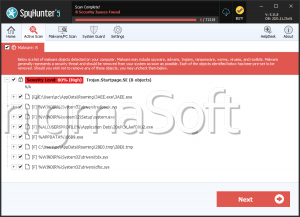
Trojan:Win32/Egairtigado!rfn
Safeguarding your devices from malicious software is more critical than ever. Malware like Trojans often disguise themselves as legitimate applications, making it difficult for users to detect infections until noticeable damage occurs. Unchecked, these threats can compromise sensitive data, degrade system performance, or even open the door for further attacks. Awareness and proactive protection are key to maintaining a secure computing environment.
Table of Contents
Trojan:Win32/Suschil!rfn — A Hidden Threat
Trojan:Win32/Suschil!rfn is a sophisticated Trojan Horse that frequently masquerades as a benign program. Much like its cousins in the Trojan family, it can infiltrate a system through seemingly harmless downloads, such as pirated software or bundled utilities. Once inside, it operates stealthily, often without triggering immediate alarms.
This Trojan is could be capable of:
Resource Hijacking: Exploiting CPU and GPU power for cryptomining activities.
Data Theft: Collecting passwords, system information, or other sensitive data without user consent.
Backdoor Creation: Establishing a hidden entry point for additional malware or remote control.
Its insidious nature stems from persistence techniques. Trojan:Win32/Suschil!rfn often uses Registry modifications, auxiliary files, and scheduled tasks to survive system reboots or casual removal attempts. This persistence means that symptoms, unexpected pop-ups, unrecognized processes, or slowed performance, are warning signs of a deeper compromise.
Understanding False Positives in Malware Detection
Occasionally, security software may flag a legitimate program as malware. This is known as a false positive detection. False positives occur due to:
- Heuristic Scans: Programs that use behavioral patterns to detect malware may mistake harmless actions for malicious ones.
- Signature Similarities: Legitimate software that shares code structures or file signatures with known malware can trigger alerts.
While false positives can be alarming, they are typically harmless. It’s crucial for users to verify suspicious detections through multiple security tools or vendor guidance before taking drastic actions like deletion or system restoration.
Steps to Mitigate Trojan Threats
Protecting your system against Trojan:Win32/Suschil!rfn requires a multi-layered approach:
- Regular Scans: Use reputable antivirus and antimalware solutions to perform scheduled system checks.
- Safe Downloads: Avoid untrusted sources, pirated software, or suspicious email attachments.
- System Monitoring: Pay attention to unusual behavior such as unexplained CPU spikes or unauthorized network activity.
- Backup and Recovery: Maintain up-to-date backups to mitigate data loss in case of infection.
By combining awareness with practical safeguards, users can significantly reduce the risk posed by sophisticated Trojans like Trojan:Win32/Suschil!rfn.