Registry Cleaner
Threat Scorecard
EnigmaSoft Threat Scorecard
EnigmaSoft Threat Scorecards are assessment reports for different malware threats which have been collected and analyzed by our research team. EnigmaSoft Threat Scorecards evaluate and rank threats using several metrics including real-world and potential risk factors, trends, frequency, prevalence, and persistence. EnigmaSoft Threat Scorecards are updated regularly based on our research data and metrics and are useful for a wide range of computer users, from end users seeking solutions to remove malware from their systems to security experts analyzing threats.
EnigmaSoft Threat Scorecards display a variety of useful information, including:
Popularity Rank: The ranking of a particular threat in EnigmaSoft’s Threat Database.
Severity Level: The determined severity level of an object, represented numerically, based on our risk modeling process and research, as explained in our Threat Assessment Criteria.
Infected Computers: The number of confirmed and suspected cases of a particular threat detected on infected computers as reported by SpyHunter.
See also Threat Assessment Criteria.
| Popularity Rank: | 20,490 |
| Threat Level: | 90 % (High) |
| Infected Computers: | 307 |
| First Seen: | July 24, 2009 |
| Last Seen: | September 3, 2026 |
| OS(es) Affected: | Windows |
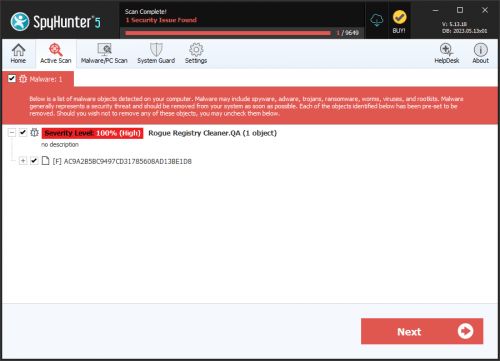
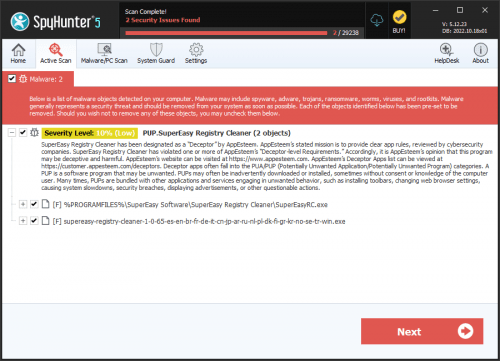
The detection of Registry Cleaner on your system indicates a potential security threat that requires immediate attention. This type of malware is designed to deceive users into thinking their system has problems that need fixing, often by displaying fake alerts and warnings. It's essential to understand the nature of this threat and take appropriate steps to remove it to prevent further damage to your system and protect your personal data.
Table of Contents
What Is Registry Cleaner?
Registry Cleaner is a type of Trojan malware that disguises itself as a legitimate system optimization tool. Its primary goal is to trick users into installing or purchasing fake software that promises to clean and optimize the system registry. However, instead of providing any real benefits, it compromises the system's security, potentially leading to the theft of sensitive information, disruption of system functionality, and installation of additional malware.
How Registry Cleaner Operates
Once installed, Registry Cleaner begins to operate by scanning the system for alleged issues, which are often fabricated. It then prompts the user to fix these issues, usually by purchasing a full version of the software or clicking on links that lead to malicious websites. This malware can also modify system settings, create backdoors for remote access, and download additional malicious components. Its operation is stealthy, and it may evade detection by traditional antivirus software, making it challenging for users to identify and remove without proper guidance.
Symptoms of Infection
Identifying a Registry Cleaner infection can be challenging due to its deceptive nature. However, common symptoms include an unusual increase in pop-ups and alerts about system issues, slow system performance, and the presence of unfamiliar programs or toolbars in your browser. You might also notice that your browser's homepage has changed or that you are being redirected to suspicious websites. These symptoms indicate that your system's security has been compromised, and you should take immediate action to remove the malware.
How to Remove Registry Cleaner
- Boot your computer in Safe Mode with Networking to prevent the malware from loading and to gain better control over your system. This will allow you to perform the removal steps without interference from the malware.
- Perform a full scan of your system using a reputable anti-malware tool, such as SpyHunter, to detect and remove all components of the Registry Cleaner malware. Ensure the tool is updated with the latest definitions to increase the chances of successful removal.
- Uninstall any suspicious programs that were installed around the time the malware was detected. Be cautious and only uninstall programs that you are sure are malicious or unnecessary.
- Reset your browsers (Chrome, Firefox, Edge) to their default settings to remove any malicious extensions or settings changes made by the malware. This step is crucial in preventing the malware from reinstating itself through browser vulnerabilities.
- Reboot your system and perform another full scan with your anti-malware tool to ensure that all components of the Registry Cleaner have been successfully removed. This final scan is essential to confirm the removal and to identify any potential remnants that might have been missed during the initial scan.
Conclusion
Removing Registry Cleaner from your system requires careful and systematic steps to ensure all its components are eliminated. It's crucial to stay vigilant and monitor your system's behavior after removal, as some malware can leave behind remnants or backdoors. Keeping your operating system, browsers, and security software up to date is key to preventing future infections. Additionally, being cautious with emails, downloads, and links can significantly reduce the risk of malware infections. By understanding the nature of threats like Registry Cleaner and taking proactive measures, you can better protect your digital environment and sensitive information.
File System Details
| # | File Name | MD5 |
Detections
Detections: The number of confirmed and suspected cases of a particular threat detected on
infected computers as reported by SpyHunter.
|
|---|---|---|---|
| 1. | RegistryCleaner[1].exe | f7a9aa80df132e1395d0203058adbabe | 0 |
| 2. | RegistryCleaner.exe | e7d2fc7b6ebbb77d29bb58ba419ee6ad | 0 |
Registry Details
Directories
Registry Cleaner may create the following directory or directories:
| %ProgramFiles%\RegistryCleaner |