MusaLLaT Malware
Safeguarding your devices from malware is more critical than ever. Sophisticated threats like MusaLLaT are engineered to infiltrate systems stealthily and cause extensive damage. Understanding how such malware operates, spreads, and impacts your data is essential for maintaining cybersecurity hygiene.
Table of Contents
MusaLLaT: A Trojan Disguised as a Trusted Installer
MusaLLaT is a dangerous form of malware masquerading as a legitimate Adobe Reader installer. Its primary function is to act as a downloader Trojan, silently bringing additional malicious programs into the system once activated. This makes it a gateway for more severe infections, including ransomware, spyware, and keyloggers.
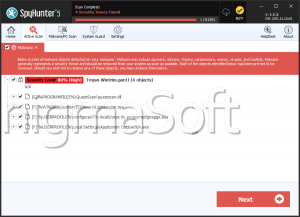
Typically, this Trojan infiltrates systems through phishing email attachments, bundled freeware, cracked applications, or fake software updates. A single click on a deceptive installer is often enough to compromise the device. If your antivirus detects 'MusaLLaT Loader,' it indicates the malware is already active and has begun its covert operations.
How MusaLLaT Operates
The malware relies on advanced concealment methods to avoid detection. Once installed, it can modify system settings, registry entries, and security policies to remain hidden from conventional antivirus programs. Over time, this allows it to perform malicious activities unnoticed, which may include slowing down your system or leaking sensitive data.
MusaLLaT's operation includes several high-risk behaviors:
Installing Additional Malware: Acting as a downloader, MusaLLaT brings in other malicious software, leveraging system vulnerabilities and phishing campaigns to expand its reach.
Data Theft: It captures keystrokes, login credentials, and banking information, enabling cybercriminals to commit fraud or sell the stolen data.
Remote Control: By connecting to a command-and-control server, the attackers can manage the infected system remotely, deploying further malware or using it in coordinated cyberattacks.
Distribution Channels and Infection Methods
MusaLLaT spreads through multiple deceptive channels. Common vectors include:
- Malicious download websites and fake advertisements.
- Bundled installers with pirated or free software packages.
- Phishing emails containing attachments that appear legitimate.
These techniques exploit users' trust in familiar software brands and updates, making it easy for the malware to infiltrate unprotected systems.
Protecting Yourself from MusaLLaT
To defend against threats like MusaLLaT, users should adopt a proactive cybersecurity approach:
- Avoid downloading software from unverified sources or clicking on suspicious links.
- Keep your operating system and antivirus software updated.
- Be cautious with email attachments and unexpected prompts to install updates.
- Regularly monitor system behavior for unusual slowdowns or unexpected network activity.
Final Note
MusaLLaT highlights the dangers posed by modern downloader Trojans. Its ability to operate silently while delivering additional malware and stealing sensitive data makes it a formidable threat. Vigilance, caution when installing software, and robust security measures remain your best defense against such sophisticated malware.