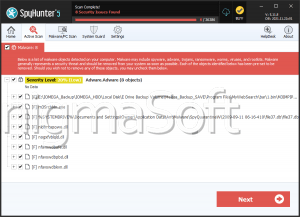
Adware.Ridemark
Threat Scorecard
EnigmaSoft Threat Scorecard
EnigmaSoft Threat Scorecards are assessment reports for different malware threats which have been collected and analyzed by our research team. EnigmaSoft Threat Scorecards evaluate and rank threats using several metrics including real-world and potential risk factors, trends, frequency, prevalence, and persistence. EnigmaSoft Threat Scorecards are updated regularly based on our research data and metrics and are useful for a wide range of computer users, from end users seeking solutions to remove malware from their systems to security experts analyzing threats.
EnigmaSoft Threat Scorecards display a variety of useful information, including:
Popularity Rank: The ranking of a particular threat in EnigmaSoft’s Threat Database.
Severity Level: The determined severity level of an object, represented numerically, based on our risk modeling process and research, as explained in our Threat Assessment Criteria.
Infected Computers: The number of confirmed and suspected cases of a particular threat detected on infected computers as reported by SpyHunter.
See also Threat Assessment Criteria.
| Threat Level: | 100 % (High) |
| Infected Computers: | 0 |
| First Seen: | January 8, 2010 |
| OS(es) Affected: | Windows |
The detection of Adware.Ridemark on your system indicates the presence of unwanted software that may be compromising your online experience and potentially putting your personal data at risk. Adware, by its nature, is designed to display advertisements, often in intrusive and disruptive ways, and can lead to a variety of issues including slowed browser performance, unwanted redirects, and exposure to malicious content.
Table of Contents
What Is Adware.Ridemark?
Adware.Ridemark refers to a specific type of adware that has been identified and detected by security software. While the exact mechanisms and behaviors of Adware.Ridemark can vary, its primary goal is to generate revenue for its creators by displaying advertisements to infected users. This can include pop-ups, banners, and other types of ads that may appear on your desktop, in your browser, or within applications. Adware like Adware.Ridemark often exploits vulnerabilities in software or uses deceptive tactics to infect systems, making it a significant concern for users who value their privacy and security.
How Adware.Ridemark Operates
Adware.Ridemark, like other forms of adware, operates by infiltrating a user's system, often through bundled software downloads, infected websites, or phishing attacks. Once installed, it can modify browser settings, install additional software without consent, and collect user data to tailor its advertisements. This data collection can be particularly alarming, as it may include browsing habits, search history, and other personal information. The operation of adware is typically designed to be as stealthy as possible, making it difficult for users to detect and remove without the aid of security tools.
Symptoms of Infection
Symptoms of an Adware.Ridemark infection can vary but commonly include an increase in unwanted advertisements, unexpected changes in browser settings, slow performance of the browser or system, and the appearance of toolbars or extensions that you did not install. Users may also experience redirects to unwanted websites, especially when clicking on search results or other links. In some cases, adware can lead to more severe issues, such as the installation of additional malware or the exploitation of system vulnerabilities.
- Increased number of pop-ups and ads
- Changes in browser homepage or search engine
- Slow system or browser performance
- Appearance of unwanted toolbars or browser extensions
- Redirects to unwanted or suspicious websites
How to Remove Adware.Ridemark
- Boot your computer in Safe Mode with Networking to prevent the adware from loading and to give you a clean environment to work in.
- Perform a full scan of your system using a reputable anti-malware tool, such as SpyHunter, to detect and remove Adware.Ridemark and any other malware that may be present.
- Uninstall any suspicious programs that you do not recognize or that were installed around the time your issues began. Be cautious and only remove programs that you are sure are not needed.
- Reset your web browsers (Chrome, Firefox, Edge, etc.) to their default settings to remove any changes made by the adware, such as modified homepages or search engines.
- Reboot your computer and perform another scan with your anti-malware tool to ensure that all remnants of the adware have been removed.
Conclusion
Removing Adware.Ridemark requires a combination of using the right tools, being cautious with your system settings, and practicing good cybersecurity habits to prevent future infections. By understanding how adware operates and taking proactive steps to secure your system, you can protect your personal data and maintain a safe and efficient computing environment. Regularly updating your software, avoiding suspicious downloads, and using reputable security software are key steps in preventing adware and other types of malware infections.
Aliases
13 security vendors flagged this file as malicious.
| Antivirus Vendor | Detection |
|---|---|
| Panda | Trj/CI.A |
| McAfee-GW-Edition | Ad-Spyware.RideMark.C |
| McAfee | potentially unwanted program Adware-RiverSoft |
| K7AntiVirus | not-a-virus:AdWare.Win32.RideMark.c |
| Ikarus | not-a-virus:AdWare.Win32.RideMark |
| Fortinet | Adware/Riversoft |
| F-Secure | AdWare.Win32.RideMark.c |
| Comodo | UnclassifiedMalware |
| CAT-QuickHeal | AdWare.RiverAd.e (Not a Virus) |
| BitDefender | Application.Generic.198196 |
| Avast | Win32:Adware-gen |
| AntiVir | ADSPY/RideMark.C |
| a-squared | Riskware.AdWare.Win32.RideMark!IK |
File System Details
| # | File Name | MD5 |
Detections
Detections: The number of confirmed and suspected cases of a particular threat detected on
infected computers as reported by SpyHunter.
|
|---|---|---|---|
| 1. | x1ff.dll | 9a886c627d9f99610628727554aaf326 | 0 |