Search.yourinstantemail.com
Threat Scorecard
EnigmaSoft Threat Scorecard
EnigmaSoft Threat Scorecards are assessment reports for different malware threats which have been collected and analyzed by our research team. EnigmaSoft Threat Scorecards evaluate and rank threats using several metrics including real-world and potential risk factors, trends, frequency, prevalence, and persistence. EnigmaSoft Threat Scorecards are updated regularly based on our research data and metrics and are useful for a wide range of computer users, from end users seeking solutions to remove malware from their systems to security experts analyzing threats.
EnigmaSoft Threat Scorecards display a variety of useful information, including:
Popularity Rank: The ranking of a particular threat in EnigmaSoft’s Threat Database.
Severity Level: The determined severity level of an object, represented numerically, based on our risk modeling process and research, as explained in our Threat Assessment Criteria.
Infected Computers: The number of confirmed and suspected cases of a particular threat detected on infected computers as reported by SpyHunter.
See also Threat Assessment Criteria.
| Threat Level: | 50 % (Medium) |
| Infected Computers: | 0 |
| First Seen: | October 15, 2015 |
| OS(es) Affected: | Windows |
The detection of Search.yourinstantemail.com on your system indicates a potential threat to your computer's security and privacy. This detection name suggests a type of malicious software that could be compromising your browsing experience and potentially exposing your personal data. It is essential to understand the nature of this threat and take immediate action to remove it from your system.
Table of Contents
What Is Search.yourinstantemail.com?
Search.yourinstantemail.com appears to be associated with a Trojan-type threat, which is a broad category of malware designed to deceive users by disguising itself as legitimate software. Trojans can lead to various malicious activities, including but not limited to, stealing sensitive information, installing additional malware, or providing unauthorized access to the infected computer. The name Search.yourinstantemail.com suggests it might be related to browser hijacking or search engine redirection, aiming to manipulate your browsing experience for malicious purposes.
How Search.yourinstantemail.com Operates
Typically, malware like Search.yourinstantemail.com operates by first gaining unauthorized access to a computer system. This can happen through various means, such as opening malicious email attachments, clicking on links to malicious websites, or downloading infected software. Once inside, it can modify system settings, including those related to web browsers, to redirect searches or home pages to unwanted websites. This not only disrupts the user's browsing experience but can also lead to further malware infections or the theft of personal data.
Symptoms of Infection
Symptoms of a Search.yourinstantemail.com infection can vary but commonly include changes to your web browser's settings without your consent, such as a new homepage or default search engine that you did not set. You might also experience an increase in pop-up ads, slower browser performance, or frequent redirects to unwanted websites. In some cases, your antivirus software may alert you to suspicious activity or the presence of malware.
- Unwanted changes to browser settings
- Increased pop-up advertisements
- Slower computer or browser performance
- Frequent redirects to unwanted websites
- Antivirus alerts for suspicious activity
How to Remove Search.yourinstantemail.com
- Enter Safe Mode with Networking to prevent the malware from loading and to make it easier to remove. This can usually be done by restarting your computer and pressing a specific key (such as F8) during startup.
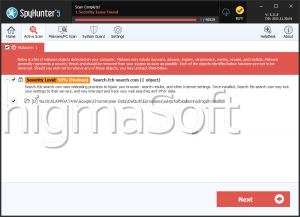
- Perform a full scan of your system using a reputable anti-malware tool, such as SpyHunter. Ensure the tool is updated to the latest version to increase the chances of detecting and removing the malware.
- Uninstall any recently installed programs that you do not recognize or that were installed around the time the symptoms began. Be cautious and only remove programs you are sure are safe to uninstall.
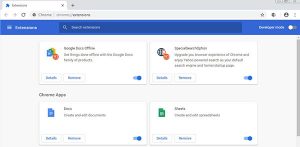
- Reset your web browsers (Chrome, Firefox, Edge, etc.) to their default settings. This can usually be done through the browser's settings or options menu. Note that this will remove all extensions, bookmarks, and other customized settings, so proceed with caution.
- Reboot your computer and perform another full scan with your anti-malware tool to ensure that the threat has been completely removed.
Conclusion
Removing Search.yourinstantemail.com from your system requires careful and immediate action to prevent further damage. By understanding how this malware operates and following the steps to remove it, you can protect your computer and personal data from potential harm. Remember, prevention is key; always be cautious when downloading software, opening email attachments, or clicking on links from unknown sources. Keeping your operating system, browser, and security software up to date can also significantly reduce the risk of infection. If you are unsure about any part of the removal process, consider seeking help from a professional to ensure your system is thoroughly cleaned and protected.