Search.searchdat.com
Threat Scorecard
EnigmaSoft Threat Scorecard
EnigmaSoft Threat Scorecards are assessment reports for different malware threats which have been collected and analyzed by our research team. EnigmaSoft Threat Scorecards evaluate and rank threats using several metrics including real-world and potential risk factors, trends, frequency, prevalence, and persistence. EnigmaSoft Threat Scorecards are updated regularly based on our research data and metrics and are useful for a wide range of computer users, from end users seeking solutions to remove malware from their systems to security experts analyzing threats.
EnigmaSoft Threat Scorecards display a variety of useful information, including:
Popularity Rank: The ranking of a particular threat in EnigmaSoft’s Threat Database.
Severity Level: The determined severity level of an object, represented numerically, based on our risk modeling process and research, as explained in our Threat Assessment Criteria.
Infected Computers: The number of confirmed and suspected cases of a particular threat detected on infected computers as reported by SpyHunter.
See also Threat Assessment Criteria.
| Threat Level: | 50 % (Medium) |
| Infected Computers: | 2 |
| First Seen: | May 3, 2017 |
| Last Seen: | August 30, 2022 |
| OS(es) Affected: | Windows |
Search.searchdat.com is a malicious software that can cause significant disruptions to a computer's functionality and user experience. This malware is known to affect various aspects of a computer's operation, including its browsing capabilities and overall performance. In this article, we will delve into the details of Search.searchdat.com, its operational mechanisms, symptoms of infection, and most importantly, the steps to remove it from an infected system.
Table of Contents
What Is Search.searchdat.com?
Search.searchdat.com is identified as a potentially unwanted program (PUP) or malware that primarily affects web browsing by altering search engine results, redirecting users to unwanted websites, and displaying intrusive advertisements. Its presence can be detrimental to the user's online experience, as it can compromise the security and integrity of the system.
How Search.searchdat.com Operates
Search.searchdat.com operates by infiltrating a computer system, often through deceptive means such as bundled software downloads or misleading advertisements. Once installed, it can modify browser settings to redirect searches and display unwanted advertisements, potentially generating revenue for its creators through pay-per-click or similar mechanisms. The malware's ability to collect user data and monitor browsing behavior further exacerbates its malicious nature.
Symptoms of Infection
The symptoms of a Search.searchdat.com infection can include, but are not limited to, unexpected changes in browser settings, frequent redirects to irrelevant or malicious websites, an increase in pop-up advertisements, and a general degradation in system performance. These symptoms can significantly hinder a user's ability to navigate the internet efficiently and safely.
How to Remove Search.searchdat.com
To remove Search.searchdat.com from an infected system, the following steps can be taken:
- Enter Safe Mode with Networking to limit the malware's ability to interfere with the removal process.
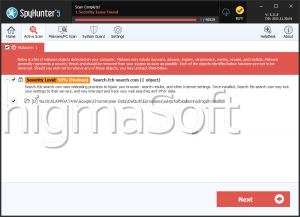
- Perform a full scan using a reputable anti-malware tool, such as SpyHunter, to detect and remove the malware.
- Uninstall any suspicious programs that may have been installed alongside the malware.
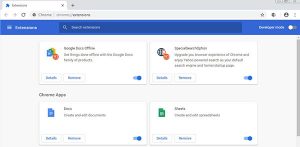
- Reset browser settings for Chrome, Firefox, Edge, or any other affected browsers to their default state to eliminate any changes made by the malware.
- Reboot the system and perform another scan to ensure that all remnants of the malware have been removed.
Conclusion
Removing Search.searchdat.com from an infected system requires a methodical approach to ensure that all aspects of the malware are eliminated. By following the steps outlined above, users can restore their system's functionality and security, protecting themselves from the potential risks associated with this malware. It is crucial for users to remain vigilant and proactive in maintaining their system's security, regularly updating software, and avoiding suspicious downloads to prevent future infections.