Backdoor.Zegost.SC
Threat Scorecard
EnigmaSoft Threat Scorecard
EnigmaSoft Threat Scorecards are assessment reports for different malware threats which have been collected and analyzed by our research team. EnigmaSoft Threat Scorecards evaluate and rank threats using several metrics including real-world and potential risk factors, trends, frequency, prevalence, and persistence. EnigmaSoft Threat Scorecards are updated regularly based on our research data and metrics and are useful for a wide range of computer users, from end users seeking solutions to remove malware from their systems to security experts analyzing threats.
EnigmaSoft Threat Scorecards display a variety of useful information, including:
Popularity Rank: The ranking of a particular threat in EnigmaSoft’s Threat Database.
Severity Level: The determined severity level of an object, represented numerically, based on our risk modeling process and research, as explained in our Threat Assessment Criteria.
Infected Computers: The number of confirmed and suspected cases of a particular threat detected on infected computers as reported by SpyHunter.
See also Threat Assessment Criteria.
| Popularity Rank: | 23,084 |
| Threat Level: | 60 % (Medium) |
| Infected Computers: | 10 |
| First Seen: | January 2, 2023 |
| Last Seen: | July 23, 2026 |
| OS(es) Affected: | Windows |
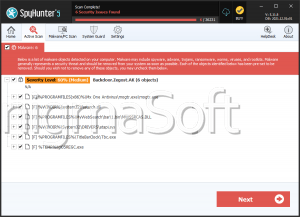
The detection of Backdoor.Zegost.SC on your system indicates a serious security threat that requires immediate attention. This backdoor threat can potentially allow unauthorized access to your computer, compromising your personal data and security. It is essential to understand the nature of this threat and take prompt action to remove it and prevent future infections.
Table of Contents
What Is Backdoor.Zegost.SC?
A backdoor is a type of malware that creates a secret entrance to your computer, allowing hackers to access your system without your knowledge or permission. Backdoor.Zegost.SC is a specific detection name that indicates the presence of such a threat. The name itself does not provide detailed information about the malware family or its origin, but it signifies that your system has been compromised.
How Backdoor.Zegost.SC Operates
Backdoors like Backdoor.Zegost.SC typically operate by creating a communication channel between your computer and a command and control server controlled by the attacker. This channel can be used to steal sensitive information, install additional malware, or execute commands on your system. The backdoor may also attempt to hide its presence by disguising itself as a legitimate program or process, making it challenging to detect without proper security software.
Symptoms of Infection
Identifying a backdoor infection can be difficult, as these threats are designed to remain stealthy. However, some common symptoms may include unusual network activity, slow system performance, or unfamiliar programs and icons on your desktop. You may also notice that your browser settings have changed or that you are being redirected to unwanted websites. Keep in mind that some backdoors may not exhibit any noticeable symptoms at all, making regular security scans crucial for detection.
How to Remove Backdoor.Zegost.SC
- Boot your computer in Safe Mode with Networking to prevent the malware from loading and to allow for a more effective removal process.
- Perform a full scan of your system using a reputable anti-malware tool, such as SpyHunter, to detect and remove all components of the Backdoor.Zegost.SC threat.
- Uninstall any suspicious programs or applications that you do not recognize or that were installed without your consent.
- Reset your web browsers (Google Chrome, Mozilla Firefox, Microsoft Edge) to their default settings to remove any malicious extensions or settings changes made by the backdoor.
- Reboot your computer and perform another full scan with your anti-malware tool to ensure that all threats have been removed and that your system is clean.
Conclusion
Removing Backdoor.Zegost.SC from your system is crucial to protecting your personal data and preventing further unauthorized access. By following the steps outlined above and maintaining good security practices, such as regularly updating your software and being cautious with email attachments and downloads, you can significantly reduce the risk of future infections. Remember, vigilance and proactive security measures are key to safeguarding your digital security in today's evolving threat landscape.
Analysis Report
General information
| Family Name: | Backdoor.Zegost.SC |
|---|---|
| Signature status: | No Signature |
Known Samples
Known Samples
This section lists other file samples believed to be associated with this family.|
MD5:
90ab4bf604ff9bce43d7744bb4c0ea2e
SHA1:
9a7103e36ea51d24aaf41060552dec6ee5f06735
SHA256:
473BF594F08C2EC2C691F597F1AFF922C0E61BD746B43AAD657EACEEB5BC64CD
File Size:
345.48 KB, 345478 bytes
|
|
MD5:
2412986c5e2986bd435eba316b185c4a
SHA1:
6807667577a4d9934b23be632185216c5c712c74
SHA256:
F318547CDB186E125B0ADE37845680DE04705B1892425E1E67B473A9AA60C0CC
File Size:
439.81 KB, 439808 bytes
|
|
MD5:
ae694d12d3a4031a3724d6f7e18fc7e5
SHA1:
7cab10ac264c1e967ed4c4bca6152c88d78d82ad
SHA256:
0C2592CED91BB1A4AC90B2543D9F61DE33944DB815BDC7DC996B4F82FBF78216
File Size:
155.14 KB, 155136 bytes
|
Windows Portable Executable Attributes
- File doesn't have "Rich" header
- File doesn't have debug information
- File doesn't have exports table
- File doesn't have relocations information
- File doesn't have security information
- File has been packed
- File has exports table
- File is 32-bit executable
- File is either console or GUI application
- File is GUI application (IMAGE_SUBSYSTEM_WINDOWS_GUI)
Show More
- File is Native application (NOT .NET application)
- File is not packed
- IMAGE_FILE_DLL is not set inside PE header (Executable)
- IMAGE_FILE_EXECUTABLE_IMAGE is set inside PE header (Executable Image)
File Icons
File Icons
This section displays icon resources found within family samples. Malware often replicates icons commonly associated with legitimate software to mislead users into believing the malware is safe.


Windows PE Version Information
Windows PE Version Information
This section displays values and attributes that have been set in the Windows file version information data structure for samples within this family. To mislead users, malware actors often add fake version information mimicking legitimate software.| Name | Value |
|---|---|
| File Description | VirtuaNES NES emulator for Win32 |
| File Version | 0.97 |
| Internal Name | VirtuaNES |
| Legal Copyright | Copyright (C) 2001-2007 Norix |
File Traits
- .adata
- 2+ executable sections
- HighEntropy
- No Version Info
- packed
- PEC2
- PECompact v2.20
- x86
Block Information
Block Information
During analysis, EnigmaSoft breaks file samples into logical blocks for classification and comparison with other samples. Blocks can be used to generate malware detection rules and to group file samples into families based on shared source code, functionality and other distinguishing attributes and characteristics. This section lists a summary of this block data, as well as its classification by EnigmaSoft. A visual representation of the block data is also displayed, where available.| Total Blocks: | 24 |
|---|---|
| Potentially Malicious Blocks: | 10 |
| Whitelisted Blocks: | 4 |
| Unknown Blocks: | 10 |
Visual Map
? - Unknown Block
x - Potentially Malicious Block