Stark Warning Issued by Feds to State Election Officials over AI, Ransomware Attacks Possibly Disrupting Voting
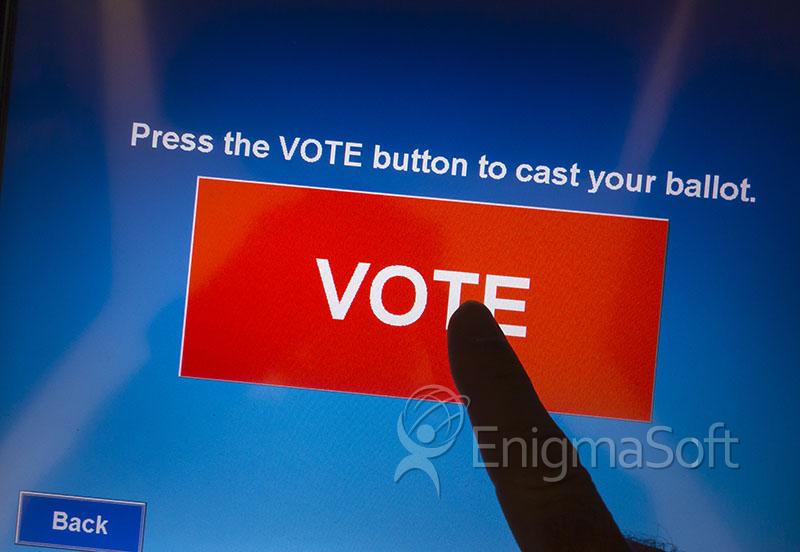
Federal law enforcement and cybersecurity authorities have issued a stark warning to state election officials regarding the significant threats they face leading up to the presidential election in November. They emphasized the need for readiness against potential cyberattacks, including both familiar methods and new, sophisticated tactics.
Among the concerns raised are the targeting of voter databases through phishing or ransomware attacks, with bad actors, both foreign and domestic, aiming to undermine confidence in the integrity of elections through disinformation campaigns. The emergence of artificial intelligence has added unprecedented challenges to the security of democratic processes.
Tim Langan, executive assistant director for the Criminal, Cyber, Response, and Services Branch of the FBI, expressed alarm at the heightened threat environment during a recent conference. This concern was echoed by Kentucky Secretary of State Michael Adams, who highlighted a bomb threat shortly after his re-election inauguration as indicative of the potential dangers.
However, efforts have been made to enhance preparedness since the attempts by Russia and China to influence the 2016 election. State election officials have strengthened collaborations with federal cybersecurity agencies and other stakeholders, aided by information-sharing partnerships. The COVID-19 pandemic further accelerated these partnerships, forcing officials to adapt to an increasingly complex and risky environment.
The Cybersecurity and Infrastructure Security Agency (CISA) has launched initiatives like the #Protect2024 website to support state and local election officials. Despite these efforts, concerns persist, particularly regarding the vulnerability of smaller jurisdictions and the increasing sophistication of cyber threats.
Moreover, the use of artificial intelligence poses new challenges, as demonstrated by a recent incident in New Hampshire where a robocall using AI-generated voices attempted to suppress voter turnout. While measures like banning AI-generated voices in robocalls have been implemented, the potential for AI to generate misleading content remains a significant concern.
State and local election officials are actively combating disinformation through social media campaigns and outreach efforts. However, the evolving nature of threats necessitates constant vigilance and proactive measures to safeguard the integrity of elections.
While the challenges are significant and multifaceted, there is optimism that with adequate preparation and coordination, election officials can mitigate risks and ensure the integrity of the electoral process.