Softomate
Threat Scorecard
EnigmaSoft Threat Scorecard
EnigmaSoft Threat Scorecards are assessment reports for different malware threats which have been collected and analyzed by our research team. EnigmaSoft Threat Scorecards evaluate and rank threats using several metrics including real-world and potential risk factors, trends, frequency, prevalence, and persistence. EnigmaSoft Threat Scorecards are updated regularly based on our research data and metrics and are useful for a wide range of computer users, from end users seeking solutions to remove malware from their systems to security experts analyzing threats.
EnigmaSoft Threat Scorecards display a variety of useful information, including:
Popularity Rank: The ranking of a particular threat in EnigmaSoft’s Threat Database.
Severity Level: The determined severity level of an object, represented numerically, based on our risk modeling process and research, as explained in our Threat Assessment Criteria.
Infected Computers: The number of confirmed and suspected cases of a particular threat detected on infected computers as reported by SpyHunter.
See also Threat Assessment Criteria.
| Threat Level: | 20 % (Normal) |
| Infected Computers: | 8 |
| First Seen: | July 24, 2009 |
| Last Seen: | April 7, 2021 |
| OS(es) Affected: | Windows |
The detection of Softomate on your system indicates a potential security threat that requires immediate attention. This report aims to provide you with a comprehensive understanding of the issue and guide you through the removal process.
Table of Contents
What Is Softomate?
Softomate is a type of malicious software that has been identified as a Trojan-type threat. Trojans are known for their ability to disguise themselves as legitimate programs, making them difficult to detect. They can be used to gain unauthorized access to a system, steal sensitive information, or disrupt normal computer operations.
How Softomate Operates
Once Softomate infects a system, it can operate in various ways, depending on its intended purpose. It may create backdoors for remote access, allowing attackers to control the system or steal data. It could also be designed to spread other types of malware, capture keystrokes, or display unwanted advertisements. The specific actions of Softomate can vary, but its primary goal is to compromise the security and integrity of the infected system.
Symptoms of Infection
Identifying a Softomate infection can be challenging due to its stealthy nature. However, there are several symptoms that may indicate its presence. These include, but are not limited to, unusual system behavior, slow performance, frequent crashes, or the appearance of unfamiliar programs or icons. Additionally, you might notice increased network activity without a clear cause, or your antivirus software may detect and flag suspicious files or activities.
- Unexplained changes in system settings or configuration.
- Pop-ups, unwanted advertisements, or browser redirects.
- Difficulty in accessing certain files or folders.
- Increased CPU usage without a clear reason.
How to Remove Softomate
Removing Softomate requires a careful and systematic approach to ensure that all components of the malware are eliminated. Here’s a step-by-step guide to help you through the process:
- Boot your computer in Safe Mode with Networking. This will limit the malware's ability to interfere with the removal process and allow you to download necessary tools.
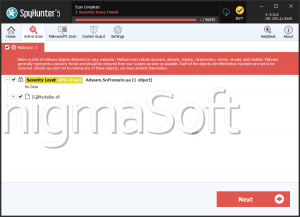
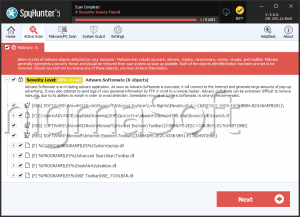
- Perform a full scan of your system using a reputable anti-malware tool, such as SpyHunter. This can help identify and remove all traces of Softomate and other potential threats.
- Uninstall any suspicious programs that you do not recognize or that were installed around the time the symptoms began. Be cautious and only remove programs you are certain are not necessary for your system's operation.
- Reset your web browsers (Chrome, Firefox, Edge, etc.) to their default settings. This can help remove any malicious extensions or settings changes made by the malware.
- Reboot your computer and perform another full scan with your anti-malware tool to ensure that no remnants of Softomate remain on your system.
Conclusion
Dealing with a malware infection like Softomate requires patience, diligence, and the right tools. By following the steps outlined in this report and maintaining good cybersecurity practices, you can protect your system from future threats. Remember, prevention is key; keeping your operating system, software, and security tools up to date, along with being cautious when downloading files or clicking on links, can significantly reduce the risk of infection. If you are unsure about any part of the removal process, consider seeking help from a professional to ensure your system is completely secure.
File System Details
| # | File Name | MD5 |
Detections
Detections: The number of confirmed and suspected cases of a particular threat detected on
infected computers as reported by SpyHunter.
|
|---|---|---|---|
| 1. | A0263506.dll | 9d705c4e945ca03707e258e4586fa726 | 4 |
Analysis Report
General information
| Family Name: | Adware.Softomate |
|---|---|
| Signature status: | No Signature |
Known Samples
Known Samples
This section lists other file samples believed to be associated with this family.|
MD5:
62202bd57aba983fbc49c151bbea9af1
SHA1:
f25c2e2d9601b1aa524caf8621799e5e7251756c
SHA256:
8C728704B582F9A8581744BB74F0796A6917BAC202C7F76634E48AD06A1E1528
File Size:
176.19 KB, 176190 bytes
|
|
MD5:
8d29d95f9af432396026f1047f2cea19
SHA1:
ab3417fcd518c745a87a1cd83e2ce28f263cad1b
SHA256:
AA192C0862CBFD24BAD94FE13D6B330FC82E2AA28E406DB38C3CF79436CCBA8E
File Size:
301.57 KB, 301568 bytes
|
Windows Portable Executable Attributes
- File doesn't have "Rich" header
- File doesn't have security information
- File has exports table
- File is 32-bit executable
- File is either console or GUI application
- File is GUI application (IMAGE_SUBSYSTEM_WINDOWS_GUI)
- File is Native application (NOT .NET application)
- File is not packed
- IMAGE_FILE_DLL is not set inside PE header (Executable)
- IMAGE_FILE_EXECUTABLE_IMAGE is set inside PE header (Executable Image)
Windows PE Version Information
Windows PE Version Information
This section displays values and attributes that have been set in the Windows file version information data structure for samples within this family. To mislead users, malware actors often add fake version information mimicking legitimate software.| Name | Value |
|---|---|
| File Description | IE Toolbar Helper Module |
| File Version |
|
| Internal Name |
|
| Legal Copyright |
|
| Original Filename |
|
| Product Name | IE Toolbar |
| Product Version |
|
File Traits
- dll
- x86
Block Information
Block Information
During analysis, EnigmaSoft breaks file samples into logical blocks for classification and comparison with other samples. Blocks can be used to generate malware detection rules and to group file samples into families based on shared source code, functionality and other distinguishing attributes and characteristics. This section lists a summary of this block data, as well as its classification by EnigmaSoft. A visual representation of the block data is also displayed, where available.| Total Blocks: | 1,600 |
|---|---|
| Potentially Malicious Blocks: | 0 |
| Whitelisted Blocks: | 1,597 |
| Unknown Blocks: | 3 |
Visual Map
? - Unknown Block
x - Potentially Malicious Block
Windows API Usage
Windows API Usage
This section lists Windows API calls that are used by the samples in this family. Windows API usage analysis is a valuable tool that can help identify malicious activity, such as keylogging, security privilege escalation, data encryption, data exfiltration, interference with antivirus software, and network request manipulation.| Category | API |
|---|---|
| Syscall Use |
Show More
|
| Process Manipulation Evasion |
|
| Process Shell Execute |
|
| Anti Debug |
|
Shell Command Execution
Shell Command Execution
This section lists Windows shell commands that are run by the samples in this family. Windows Shell commands are often leveraged by malware for nefarious purposes and can be used to elevate security privileges, download and launch other malware, exploit vulnerabilities, collect and exfiltrate data, and hide malicious activity.
C:\WINDOWS\SysWOW64\rundll32.exe C:\WINDOWS\system32\rundll32.exe c:\users\user\downloads\f25c2e2d9601b1aa524caf8621799e5e7251756c_0000176190.,LiQMAxHB
|
C:\WINDOWS\SysWOW64\rundll32.exe C:\WINDOWS\system32\rundll32.exe c:\users\user\downloads\ab3417fcd518c745a87a1cd83e2ce28f263cad1b_0000301568.,LiQMAxHB
|