Backdoor.IRCbot.gen!S
Threat Scorecard
EnigmaSoft Threat Scorecard
EnigmaSoft Threat Scorecards are assessment reports for different malware threats which have been collected and analyzed by our research team. EnigmaSoft Threat Scorecards evaluate and rank threats using several metrics including real-world and potential risk factors, trends, frequency, prevalence, and persistence. EnigmaSoft Threat Scorecards are updated regularly based on our research data and metrics and are useful for a wide range of computer users, from end users seeking solutions to remove malware from their systems to security experts analyzing threats.
EnigmaSoft Threat Scorecards display a variety of useful information, including:
Popularity Rank: The ranking of a particular threat in EnigmaSoft’s Threat Database.
Severity Level: The determined severity level of an object, represented numerically, based on our risk modeling process and research, as explained in our Threat Assessment Criteria.
Infected Computers: The number of confirmed and suspected cases of a particular threat detected on infected computers as reported by SpyHunter.
See also Threat Assessment Criteria.
| Threat Level: | 60 % (Medium) |
| Infected Computers: | 24 |
| First Seen: | December 7, 2010 |
| Last Seen: | March 31, 2022 |
| OS(es) Affected: | Windows |
The detection of Backdoor.IRCbot.gen!S indicates that your system has been compromised by a potentially malicious threat. This detection name suggests a backdoor-type threat, which is designed to allow unauthorized access to your system. It is essential to take immediate action to remove this threat and prevent further damage.
Table of Contents
What Is Backdoor.IRCbot.gen!S?
Backdoor.IRCbot.gen!S is a type of malware that allows hackers to remotely access and control your system. The exact nature and capabilities of this specific threat are not well-defined, but it is clear that it poses a significant risk to your system's security and integrity. Backdoor threats like this one can be used to steal sensitive information, install additional malware, or even use your system as a botnet to conduct malicious activities.
How Backdoor.IRCbot.gen!S Operates
Backdoor threats typically operate by creating a covert communication channel between your system and a command and control (C2) server. This channel allows hackers to send commands to your system, which can include instructions to steal data, install additional malware, or perform other malicious activities. The threat may also attempt to evade detection by using various techniques, such as code obfuscation or anti-debugging methods.
Symptoms of Infection
The symptoms of a Backdoor.IRCbot.gen!S infection can be subtle, but they may include unusual system behavior, such as slow performance, unexpected crashes, or unfamiliar programs running in the background. You may also notice suspicious network activity, such as unusual outgoing connections or data transfers. In some cases, the threat may not exhibit any noticeable symptoms at all, making it difficult to detect without the aid of security software.
How to Remove Backdoor.IRCbot.gen!S
- Boot your system in Safe Mode with Networking to prevent the threat from loading and to allow for easier removal.
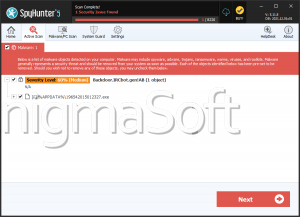
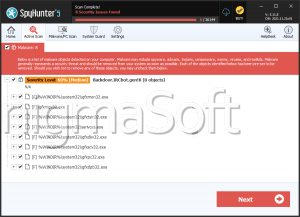
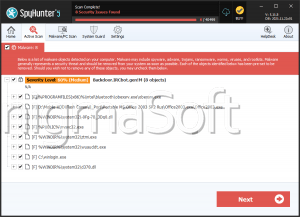
- Perform a full scan of your system using a reputable anti-malware tool, such as SpyHunter, to detect and remove the threat.
- Uninstall any suspicious programs or applications that may be related to the threat.
- Reset your web browsers, including Chrome, Firefox, and Edge, to their default settings to remove any malicious extensions or settings.
- Reboot your system and perform another full scan to ensure that the threat has been completely removed.
Conclusion
Removing Backdoor.IRCbot.gen!S requires careful attention to detail and a thorough understanding of the threat's behavior. By following the steps outlined above, you can help to ensure that your system is free from this malicious threat. However, it is essential to remain vigilant and continue to monitor your system for any signs of suspicious activity. Regularly updating your security software and practicing good security habits, such as avoiding suspicious links and attachments, can help to prevent future infections and keep your system secure.
Aliases
15 security vendors flagged this file as malicious.
| Antivirus Vendor | Detection |
|---|---|
| Panda | W32/P2PWorm.HQ |
| AVG | BackDoor.Generic12.JSE |
| Fortinet | W32/Injector.LFS!tr |
| Ikarus | Virus.Win32.DelfInject |
| Sunbelt | Trojan.Win32.Buzus.bzaz (v) |
| AhnLab-V3 | Win32/Kolab.worm.119808.B |
| a-squared | Virus.Win32.DelfInject !IK |
| Antiy-AVL | Worm/Win32.Kolab.gen |
| eTrust-Vet | Win32/DFInject.BA!generic |
| Sophos | Mal/Generic-L |
| AntiVir | Worm/Kolab.esh |
| Comodo | Backdoor.Win32.Agent.EGK1 |
| BitDefender | Trojan.Delf.Agent.X |
| Kaspersky | Net-Worm.Win32.Kolab.esh |
| Avast | Win32:Rimecud-D |
File System Details
| # | File Name | MD5 |
Detections
Detections: The number of confirmed and suspected cases of a particular threat detected on
infected computers as reported by SpyHunter.
|
|---|---|---|---|
| 1. | bpkwb.dll | 710f5350d7b70898d3defe6afae77933 | 9 |
| 2. | wmispts.exe | 56c29d7e73a1463c136e047abec99f70 | 4 |
| 3. | avg.exe | 6af3fcf913da85f26c73f040487d1878 | 1 |
| 4. | VMwareService.exe | 8128f4a8694dd6866d49915e8c65bdc9 | 1 |