Chinese Hackers Breach US Treasury Systems in Alarming Cybersecurity Incident
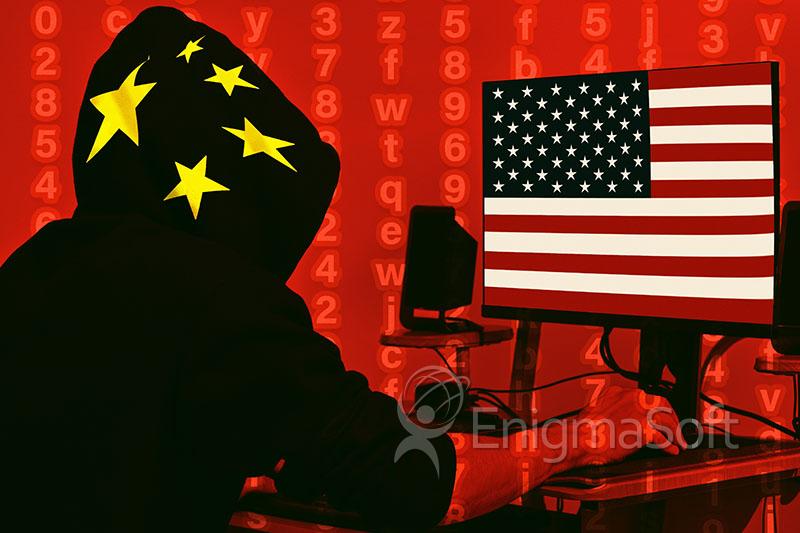
The U.S. Treasury Department has confirmed that Chinese hackers remotely accessed departmental workstations and unclassified documents in what officials are calling a “major cybersecurity incident.” The breach occurred after hackers compromised a cloud-based service operated by BeyondTrust, a company specializing in privileged access management.
While Treasury officials acknowledged the severity of the incident, critical details remain unclear. The department has not disclosed the number of workstations impacted or the nature of the documents accessed.
Table of Contents
Breach Tied to China-Linked Advanced Persistent Threat
The attack, attributed to a state-sponsored Advanced Persistent Threat (APT) group from China, unfolded after the hackers exploited a stolen API key used by BeyondTrust. According to Aditi Hardikar, Assistant Secretary for Management at the Treasury Department, BeyondTrust notified the Treasury on December 8th of suspicious activity tied to its cloud-based technical support service.
“With access to the stolen key, the threat actor was able to override the service’s security, remotely access Treasury Departmental Offices’ (DO) user workstations, and retrieve unclassified documents maintained by those users,” Hardikar explained in a letter to lawmakers.
While unclassified systems are generally less sensitive than classified networks, their compromise can still pose a significant risk, potentially exposing government operations or enabling further attacks.
Coordinated Response Underway
The Treasury has enlisted the Cybersecurity and Infrastructure Security Agency (CISA), the FBI, the Intelligence Community, and private forensic investigators to analyze the breach and assess its impact. According to Hardikar, these agencies are collaborating to ensure the incident is contained and to bolster defenses against future threats.
CISA’s rapid response, paired with the Treasury’s decision to immediately take the compromised service offline, has so far revealed no signs that the hackers still have access to departmental systems.
BeyondTrust Vulnerability Exploited
BeyondTrust, the vendor at the heart of the incident, recently issued patches for a critical vulnerability (CVE-2024-12356) in its Privileged Remote Access (PRA) and Remote Support (RS) products. On December 5th, the company discovered that an API key for its Remote Support SaaS had been compromised, triggering an immediate shutdown of affected instances and notification to impacted customers.
Context: A Broader Wave of Chinese Cyber Espionage
This attack on the Treasury comes amid heightened concerns about a larger Chinese cyberespionage campaign, nicknamed "Salt Typhoon." That campaign reportedly granted Beijing access to sensitive communications, including text messages and phone conversations, involving American citizens.
As of late December, U.S. officials confirmed that nine telecommunications companies had been compromised by Salt Typhoon. The Treasury breach, though seemingly unrelated, highlights the scope and sophistication of Chinese state-sponsored cyber operations targeting U.S. infrastructure and government systems.
Key Takeaways
This incident is a stark reminder of the critical vulnerabilities posed by third-party software dependencies. Cloud-based services, often seen as convenient and secure, can become a gateway for attackers if exploited.
Organizations—governmental and private alike—must remain vigilant, ensuring robust security protocols, regular patching, and comprehensive incident response plans. The U.S. government’s quick engagement of cybersecurity agencies underscores the importance of a coordinated response to cyber threats.
As the investigation unfolds, one thing is clear: The stakes of cybersecurity are higher than ever in an era of escalating geopolitical tensions and increasingly sophisticated cyberattacks.