U.S. Utilities Face a Major Surge in Cyberattacks and Remain A Growing Threat to Critical Infrastructure
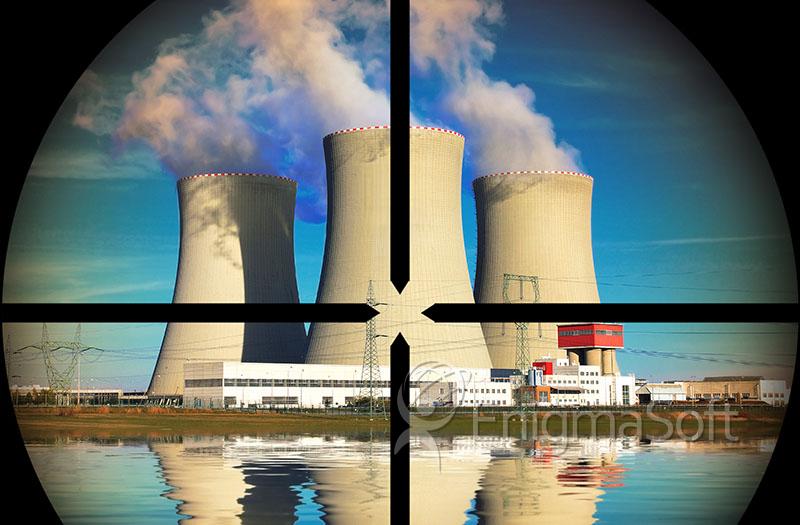
Cyberattacks on U.S. utilities have surged dramatically in 2024, with a staggering 70% increase in attacks compared to the same period in 2023, according to data from Check Point Research. This surge highlights the rising vulnerabilities of a crucial sector that underpins nearly every aspect of modern life. As utilities continue to expand and digitize, they become increasingly attractive targets for cybercriminals, with the potential consequences more severe than ever.
Table of Contents
Growing Vulnerabilities in U.S. Utilities
As the U.S. power grid grows to meet increasing demand, utilities and energy providers are finding themselves in the crosshairs of cyber attackers. The digitalization of assets, coupled with aging infrastructure, has left many utilities vulnerable. According to Douglas McKee, a cybersecurity expert at SonicWall, utilities are seen as “low-hanging fruit” due to outdated software systems that have not kept pace with evolving cyber threats.
Check Point’s data underscores this alarming trend, showing an average of 1,162 cyberattacks per month targeting U.S. utilities through August 2024, compared to 689 attacks during the same period in 2023. While none of these attacks have yet crippled a utility, the risk of a coordinated attack remains high. Experts warn that such an event could disrupt essential services and cause widespread financial and societal damage.
The Energy Sector’s Growing Exposure
The energy sector, in particular, is highly susceptible to cyberattacks. A high-profile incident in May 2021 involving Colonial Pipeline, which forced the company to shut down its operations due to a ransomware attack, serves as a stark reminder of the scale of potential damage. More recently, U.S. oilfield services firm Halliburton reported unauthorized access to its systems, emphasizing that even leading companies are not immune to breaches.
A primary concern is the reliance of utilities on Internet of Things (IoT) and Incident Command System (ICS) technologies. While these innovations have helped modernize energy systems, their cyber defenses lag behind more secure platforms like those from tech giants Apple and Microsoft, according to McKee.
Regulatory Standards Offer Minimum Protection
Regulatory frameworks such as the North American Electric Reliability Corporation’s (NERC) Critical Infrastructure Protection (CIP) guidelines have established a baseline for safeguarding bulk power systems from cyber threats. However, industry experts caution that these regulations provide only a minimum level of protection. With the grid expanding—adding connections to new consumers such as Gen-AI data centers—the number of attack vectors is multiplying. NERC has reported that 60 new potential points of vulnerability are being added daily across U.S. electrical networks.
The Financial Toll of Cyberattacks
Even breaches that do not directly compromise critical infrastructure can have severe financial repercussions. For instance, UnitedHealth Group’s Change Healthcare division suffered a significant ransomware attack earlier this year. If an attack of a similar magnitude were to hit the energy sector, the fallout could be catastrophic. Kevin Kirkwood, chief information security officer at cybersecurity firm Exabeam, warned that such an event could have devastating effects on essential services.
Wayne Tung, managing director at Sendero Consulting, echoed this sentiment, pointing out that the average cost of a data breach in the energy sector hit a global high of $4.72 million in 2022, according to IBM.
Election Years and the Surge in Cyberactivity
Election years historically see an increase in cyber threats, and 2024 is no exception. Nataliia Zdrok, a Senior Threat Intelligence Analyst at Binary Defense, predicts that with the upcoming U.S. election, cyberattacks on critical infrastructure—including utilities, energy grids, and communication networks—are likely to spike. The added political tension tends to fuel malicious cyber activities, making it crucial for utility companies to bolster their defenses.
Preparing for the Future
As cyberattacks on U.S. utilities continue to rise, industry leaders and cybersecurity experts are urging utility providers to prioritize updating their software systems and investing in more advanced cyber defense mechanisms. With the grid expanding at an unprecedented rate, and with hackers finding new ways to exploit vulnerabilities, the need for robust cybersecurity measures has never been more critical.
While the industry has so far avoided a catastrophic incident, the increasing frequency of attacks serves as a stark warning. The cost of inaction could be immense, not only in financial terms but also in the potential loss of essential services that Americans rely on every day.